

How to Use Bet9ja Bonus Casino Offers in Nigeria
Get the lowdown on how to make the most of Bet9ja's casino bonus offers 🎰. Learn step-by-step claiming tips, key T&Cs, smart betting moves, and how to turn bonus funds to winning ₦ in Nigeria.
Edited By
Oliver Grant
The recent circulation of the Bet9ja girl sex video has stirred intense debate about online privacy and the risks to personal reputation in Nigeria’s digital space. Such incidents highlight how quickly unverified content spreads, often causing lasting damage to those involved. Understanding what happens when private moments leak publicly is critical, especially for people active online or working in sectors like betting and finance, where reputation is everything.
Online privacy breaches occur when personal or intimate information is shared beyond intended circles without consent. In Nigeria, where social media usage is high and mobile internet penetration widespread, these leaks can gain traction within hours. The problem compounds when users share content thoughtlessly, sometimes with misinformation attached, amplifying harm and confusion.

Protecting yourself online requires awareness of how sensitive information can be exploited, with social stigma often adding layers of difficulty for victims.
Legal considerations also play a role. Distributing explicit content without consent can violate Nigerian laws, including sections of the Cybercrimes (Prohibition, Prevention, etc.) Act 2015. Yet enforcement remains uneven. Understanding rights and legal recourses is crucial for anyone caught in such scenarios.
The issue isn't just about laws but ethical responsibility. When users share or comment on sensitive matters, they shape public opinion and can either contribute to harmful rumours or support victims.
To guard your digital privacy, consider these practical steps:
Limit sharing of personal content; be cautious about who you trust with sensitive material.
Check privacy settings on social media platforms like Instagram, Twitter, and Facebook regularly.
Avoid clicking or forwarding unverified videos or gossip that could be harmful.
If faced with a privacy breach, consult legal experts specialising in cybercrimes and digital rights.
Given the strong social stigma tied to privacy violations in Nigeria, victims often suffer more than just online ridicule—they encounter real social and emotional distress. This case highlights the need for responsible online behaviour and better public understanding of digital privacy risks in our society.
Social media platforms like Twitter, Instagram, and TikTok have become powerful amplifiers of private stories in Nigeria. A single post or video can quickly spiral to millions of views, often without thorough verification. This rapid spread can expose individuals to intense public scrutiny. For example, within hours, a personal incident shared in a private chat might leak online and become a trending topic across different Nigerian states.
Such amplification carries practical consequences. The viral nature of social media means that once private matters enter the public domain, they become difficult to control or retract. People often share content impulsively, driven by curiosity or the urge to be part of the latest gist, which fuels the spread of unverified and sensational material.
Common patterns in sensational online content include the use of misleading headlines, doctored images, or out-of-context clips designed to grab attention. Nigerian social media users often encounter repeated stories about celebrities or public figures embroiled in scandals, which may turn out false or exaggerated. These patterns not only misinform the public but also escalate reputational damage for the individuals involved, sometimes leading to harassment or loss of opportunities.
Bet9ja has grown to be one of Nigeria’s most recognised betting platforms, shaping popular culture beyond just sports betting. Its widespread adverts on TV and social media, along with celebrity endorsements, have made Bet9ja almost household name. This high visibility means any controversy linked to the brand or its representatives tends to receive widespread attention.
The public often holds brand ambassadors or representatives to high moral standards, expecting them to mirror the brand’s image. When allegations or scandals arise involving such individuals, it impacts both their personal reputation and the credibility of Bet9ja. For example, an ambassador linked to a scandal risks not just losing endorsements but also bringing negative attention to the brand, leading to calls for corporate distancing or deeper public scrutiny.
Understanding how viral content and popular brands interact within Nigerian society helps explain why stories like the Bet9ja girl sex video gain such traction and cause complex social consequences.
This context is essential for grasping the broader issues around online privacy and reputation risk in Nigeria's digital age. Knowing these dynamics guides how one should approach verifying content and protecting personal information online.
Understanding how the Bet9ja girl video circulated, and distinguishing fact from fiction, matters greatly when discussing online privacy and reputation risks. This section sheds light on the origin of the video, the challenges of verifying its authenticity, and how rumours linked to it impact lives and communities. Clarity here helps Nigerians approach such viral content more cautiously, to avoid unnecessary harm or judgement.
Identifying where the video came from remains a key challenge. Several social media accounts and messaging platforms reportedly shared the footage, but tracing the original uploader is nearly impossible. Often, videos like this get reposted severally without clear provenance, which fuels speculation and misinformation. For example, in similar cases, viral clips have been traced back to hacked phone storage or leaked private chats, but pinpointing a precise source is tough without forensic digital investigation.
Knowing the source is practical because it can reveal whether the video was staged, doctored, or maliciously circulated. Without that, people quickly jump to conclusions, and reputations get unfairly damaged. It also influences legal responses since proving origin affects accountability.
Verifying videos today is increasingly difficult. The rise of deepfake technology and easy video editing tools means what we see is not always what actually happened. Moreover, social media’s rapid sharing creates an information echo chamber where unverified content spreads faster than truth.
In Nigeria, this complicates online discourse because many users lack access to reliable fact-checking tools. Platforms like Twitter or WhatsApp do not always flag or remove harmful content swiftly. This delay allows false narratives to embed in public opinion. This challenge highlights the need for digital literacy—to help users pause and question the authenticity before sharing potentially damaging material.
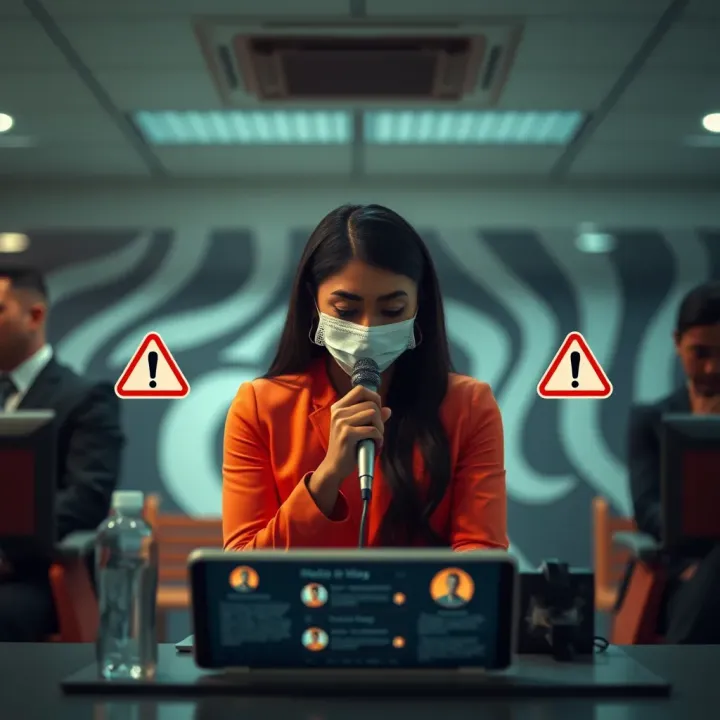
The individual involved in such videos faces intense social stigma. In Nigerian society, where personal and family reputation hold much significance, being linked to a viral sex video can lead to shame, isolation, and even threats. It could disrupt educational or employment opportunities, and sometimes lead to psychological distress.
For instance, some affected parties in similar incidents have reported withdrawal from social networks and avoidance of public venues. The damage sometimes extends to their family members, who may face community gossip and embarrassment.
Communities often react in mixed ways—ranging from outright condemnation to sympathy. Social media users may join in spreading rumours or make insensitive jokes, worsening the victim’s plight. On the other hand, advocacy groups and some online voices call for restraint and highlight privacy rights.
In some Nigerian neighbourhoods, this dual reaction reflects cultural tensions between modern digital behaviour and traditional values. The way communities respond influences if victims find support or further hardship.
The rapid spread of such videos and the attached rumours serve as a reminder of how vital responsible sharing and critical thinking are. They also reveal gaps in how we protect privacy and dignity in Nigeria's online space.
Understanding the facts and myths about this video equips you to navigate digital controversies with caution, avoiding harm to others and yourself.
Nigeria’s legal framework provides some protection for personal privacy, especially regarding online content. The key legislation includes the Cybercrimes (Prohibition, Prevention, etc.) Act 2015 and the Nigerian Constitution, which safeguard individual rights against unlawful invasion of privacy. These laws become particularly relevant in cases like the Bet9ja girl video, where private material may be shared without consent, causing severe damage to reputation and mental wellbeing.
The Cybercrimes Act criminalises the unauthorised recording, possession, or distribution of intimate images or private content. This means individuals who share such videos without permission can face legal consequences. In practice, these laws aim to deter the careless or malicious spread of private material, giving victims a legal avenue to seek redress. For example, someone caught circulating an explicit video without consent may face prosecution under this act, reinforcing the need for caution online.
Penalties for sharing private content without consent include fines and imprisonment. The Cybercrimes Act sets punishments that can reach up to seven years in prison, alongside monetary penalties that may run into millions of naira. Such sanctions reflect the seriousness with which Nigerian law treats privacy breaches. The penalties serve not only to punish offenders but also to remind the public about respecting personal boundaries in digital spaces.
Despite the laws, enforcing privacy protections remains difficult due to digital anonymity. Online platforms, especially social media, enable users to upload or share content without easily being traced. This makes identifying and prosecuting offenders challenging, especially if they use VPNs or fake accounts. The ease of spreading content across WhatsApp groups or Twitter, often slipping through monitoring, compounds this problem.
Besides anonymity, limited technological capacity and legal expertise sometimes hinder timely enforcement. Law enforcement agencies may lack the specialised skills to track down cyber offenders or gather enough evidence for conviction. This gap sometimes discourages victims from reporting abuses, fearing that little will be done.
Regulatory bodies like the Nigerian Communications Commission (NCC) and the Economic and Financial Crimes Commission (EFCC) play significant roles in overseeing online activities, including privacy violations. They collaborate with social media companies to curb harmful content and trace offenders. However, their efforts often struggle against the sheer volume of online interactions and cross-border content sharing.
Moreover, the National Information Technology Development Agency (NITDA) enforces data protection regulations, which indirectly help protect privacy online. Continuous updates to legal frameworks and improved public awareness campaigns could strengthen enforcement. Without stronger cooperation between government agencies, internet service providers, and the public, these challenges will persist.
Protecting online privacy in Nigeria requires both strong laws and effective enforcement. Understanding these legal provisions helps users appreciate their rights and the risks of careless sharing.
In summary, Nigeria has laws to protect personal privacy online, but challenges in digital anonymity and enforcement limit their impact. Regulatory bodies work tirelessly but need more support and technological tools to keep pace with online threats. For individuals, knowing these laws reinforces the need to handle private content responsibly and seek help when privacy is breached.
Social media is a powerful tool in Nigeria, shaping opinions, news, and reputation swiftly. This calls for responsible use and awareness to prevent the spread of harmful content and protect individuals' privacy. Given how the Bet9ja girl sex video circulated — stirring panic and misinformation — understanding responsible behaviour online is necessary for anyone engaging in digital conversations.
It’s vital to confirm the authenticity of any content before forwarding or posting it. Nigerian social media is flooded with unverified stories, especially involving celebrities or brands like Bet9ja. One straightforward step is checking if the source is reputable or whether credible news outlets have reported it. Another way is to search for the original content context and cross-verify with multiple reliable sources.
Take, for instance, a viral video claiming to involve a public figure. Instead of sharing immediately, pause and ask: Has the individual or their official spokesperson commented? Are reputable Nigerian media platforms like The Punch or Premium Times covering this story? This approach can help stop rumours from spiralling out of control.
Sharing harmful or private content doesn’t just break trust; it can destroy lives. Once a video or message spreads, the subjects involved may face severe social stigma, job losses, and mental health challenges. In Nigeria’s close-knit communities, reputations are fragile, and digital gossip can spread like wildfire, making it nearly impossible to undo the damage.
Besides personal harm, such content encourages a toxic online culture where empathy shrinks. The Bet9ja video incident shows how quickly public perception shifts — often unfairly — based on incomplete or false information. Recognising this impact should make every user think twice before clicking "share".
To avoid falling victim to privacy violations, it’s crucial to safeguard personal information. Always use strong passwords, enable two-factor authentication on social media and financial apps, and adjust privacy settings to limit who can see your posts. For example, setting WhatsApp or Instagram profiles to "friends only" reduces the risk of strangers accessing private moments.
Regularly reviewing app permissions and deleting unused apps also keeps exposure minimal. Nigerians often use multiple platforms like OPay, Kuda, and Paystack; make sure security features on these apps are up-to-date to prevent leaks of sensitive data such as bank details or BVN information.
If private content leaks online, act fast. Report the material to the platform hosting it for removal and seek legal advice, especially under Nigerian laws protecting privacy. Support from family, friends, and counselling services can help manage emotional toll.
In extreme cases, involving security agencies to track offenders once identity is known may be necessary. Remember, you are not alone, and there are ways to regain control over your digital footprint even after an unwanted exposure.
Responsible use of social media and heightened awareness not only protect individual reputations but also strengthen the broader digital community in Nigeria.
By following these guidelines, Nigerians can prevent incidents similar to the Bet9ja girl sex video from escalating, fostering safer, more respectful online spaces.
Supporting those who suffer from online privacy breaches, like individuals affected by the Bet9ja girl sex video scandal, is essential for their emotional wellbeing and legal recovery. Victims often face social stigma, reputational damage, and psychological distress. Providing the right support helps mitigate these impacts and encourages a more responsible online community.
The immediate support system for victims often comes from family and close friends. In Nigerian society, where communal ties are strong, family can be a crucial source of comfort and protection. Emotional backing from loved ones helps victims regain confidence and face societal backlash. For example, a victim receiving affirming words and practical help from their family is better positioned to cope with humiliation and anxiety caused by viral private content.
Communities also have a part to play in reducing harmful gossip and standing against victim-blaming. By fostering understanding rather than judgment, communities can create safer spaces that discourage the spread of damaging rumours. This support network is especially vital in environments where formal psychological services might be limited or costly.
Victims require legal guidance to navigate Nigeria’s privacy laws and pursue justice. Lawyers can help victims understand their rights under the Cybercrimes Act and other relevant statutes that criminalise the unauthorized distribution of private images or videos. Legal recourse might involve demanding take-down notices for harmful content or seeking compensation for damages.
Given the complexity of digital offences, professionals trained in cyber laws provide practical advice on gathering evidence, reporting incidents to law enforcement, and avoiding secondary victimisation during trials. For instance, a victim advised properly can avoid unintentionally spreading the content further or falling prey to online threats.
Online platforms in Nigeria have become breeding grounds for reckless sharing and harsh comments. Encouraging users to show respect and empathy is vital to curb the vicious cycle of harassment. When people understand the real damage caused by sharing intimate or defamatory content, they might think twice before clicking 'share'.
Creating this shift in behaviour requires highlighting personal stories and consequences, which humanise victims instead of reducing them to scandalous gossip. A practical move could be social influencers modelling respectful language and calling out harmful posts.
Educational efforts targeting schools, workplaces, and social hubs can significantly reduce online privacy abuses. Campaigns focused on digital literacy, responsible sharing, and understanding privacy rights equip Nigerians to navigate the internet more safely.
For example, seminars organised by NGOs or youth groups might teach students about protecting their personal data and the dangers of viral content. Public service announcements through TV, radio, and social media can reinforce these messages, stressing Nigeria’s legal protections and social responsibilities.
Supporting victims of online breaches is not just about reacting after harm occurs—it’s about building a culture that prevents such harm from spreading in the first place.
By combining emotional backing, legal aid, and proactive education, Nigeria can better safeguard individuals from the harmful fallout of privacy violations in this digital era.
Get the lowdown on how to make the most of Bet9ja's casino bonus offers 🎰. Learn step-by-step claiming tips, key T&Cs, smart betting moves, and how to turn bonus funds to winning ₦ in Nigeria.

📊 Get tips to predict exact soccer scores with stats, player form and game vibes. Perfect for Naija fans & bettors aiming to improve betting wins and avoid common mistakes!

🎰 Discover the top slot games in Nigeria, tips to play smart, where to enjoy them safely, and key legal points to keep your winnings safe! ₦ jackpots await!

Boost your Plinko game with smart strategies and risk management. Learn to avoid common mistakes and adapt tactics for ₦-bet games 🎯💰
Based on 13 reviews