

Today’s Football Score Predictions for Nigerian Fans
⚽ Get practical insights into today's correct score prediction for Nigerian football fans. Learn how team form, player status & stats guide smarter bets and match tracking.
Edited By
Chinwe Okoro
Gambling addiction is becoming a serious challenge in Nigeria, affecting many people across different states and communities. From betting on football matches to playing the lottery or participating in local casino games, the lure of quick money pulls many in, but for some, this attraction turns into a deep-rooted problem.
Unlike occasional fun, gambling addiction drains finances, breaks down family ties, and affects mental health. Many Nigerians find themselves trapped in cycles of debt, borrowing, and emotional distress. Often, the problem stays hidden because of stigma or lack of awareness about available help.
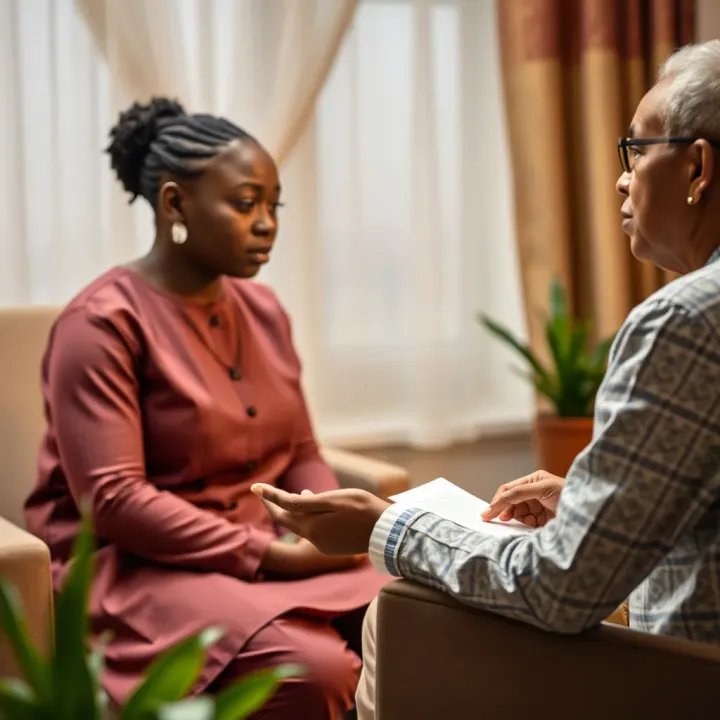
Understanding gambling addiction starts with recognising its signs. These include spending more time and money on betting, neglecting responsibilities, lying about gambling habits, and feeling restless or irritable when not gambling. In Nigeria, these symptoms might be overlooked due to cultural acceptance of betting as part of social life or as a quick way to improve one's financial situation.
Addressing gambling addiction requires practical steps and access to support. There are counselling centres, support groups, and medical facilities that offer therapy tailored to addiction recovery. Some organisations work within communities to educate people about responsible gambling and the risks involved. Government policies, though still developing, aim to regulate gambling operators and protect vulnerable Nigerians.
Seeking help early increases the chances of recovery. Family, friends, and professional services can provide the support needed to break free from gambling addiction.
If you or someone you know struggles with gambling, start by reaching out to local mental health clinics or addiction help centres. Organisations like the Nigerian Institute of Mental Health often have programmes or referral services available. Also, financial counselling can help manage debts linked to excessive gambling.
In the next sections, we will explore the causes of gambling addiction, its effects on individuals and society, and where exactly Nigerians can find real, accessible help within the local context.
Understanding what gambling addiction means is a key step for Nigerians looking to identify the problem and seek help. Defining gambling addiction involves recognising compulsive behaviour patterns that go beyond casual betting. This clarity helps individuals, families, and communities grasp when gambling stops being a fun pastime and becomes a harmful habit.
Understanding compulsive gambling behaviour involves more than just placing bets frequently. It describes a situation where a person feels an uncontrollable urge to gamble, regardless of the consequences. For example, a bettor may find themselves chasing losses repeatedly or hiding their activities despite mounting debts. This compulsive behaviour often leads to neglect of personal responsibilities and damages mental health, making it a serious concern.
Differences between casual gambling and addiction are clear when looking at control and outcomes. Casual gambling is usually occasional with set limits and minimal impact on daily life. Someone who gambles casually might place small stakes at a local betting shop now and then without it disturbing their finances or relationships. On the other hand, an addict gambles frequently, sometimes risking money they cannot afford to lose. Addiction often comes with denial, hiding the problem, and a failure to stop despite negative effects.
Economic challenges and unemployment play a big role in pushing some Nigerians towards excessive gambling. With significant youth unemployment levels and unstable incomes, many see betting as a quick way to earn money. For instance, a graduate struggling to find a job might put a large part of their meagre savings into football betting, hoping to hit a jackpot. Unfortunately, this often worsens financial hardship rather than solving it.
Social pressures and peer influence are also potent drivers. In many communities, gambling—especially sports betting and lottery—is seen as a popular pastime, especially among young men. Peer groups may encourage risky behaviours, making it hard for someone to say no. This social environment can normalise gambling even when it becomes destructive.
Accessibility of betting platforms including local and online options has expanded gambling opportunities widely. Recently, local betting shops and digital platforms like Bet9ja, NairaBet, and Premier Bet have made it easy to place bets anywhere, anytime. Smartphones and mobile money services such as OPay or Flutterwave enable quick deposits and withdrawals. The convenience and constant availability make it simple for someone to gamble excessively without pauses.
Recognising the signs early and understanding these causes can significantly help in preventing gambling addiction from deepening. Awareness is the first step towards seeking help and controlling the habit.
By knowing what gambling addiction looks like and why it grows, Nigerians can better support affected people and connect them to useful resources. This section lays the foundation to tackle the problem realistically within Nigeria’s complex social and economic backdrop.
Gambling addiction has far-reaching consequences that go beyond just the individual. Its effects ripple through families, workplaces, and entire communities, causing challenges that stretch well beyond the gambling tables. Understanding these impacts helps in recognising why support and intervention are necessary for recovery and social stability.
Financial strain and debt accumulation often represent the most immediate and visible effects of gambling addiction. Many Nigerians caught in this cycle find themselves borrowing heavily from friends, family, or loan sharks just to cover their bets or everyday expenses. For example, an individual may start diverting money meant for essentials like school fees or rent to fuel their gambling habit, leading to mounting debts and eventually, insolvency. The persistent quest to recoup losses only deepens financial troubles.
The emotional stress and mental health issues that follow gambling addiction are equally damaging. Constant anxiety about money, feelings of shame, and hopelessness often weigh heavily on addicts. This can escalate to depression or even suicidal thoughts. Families also suffer emotionally; the tension from financial instability can cause sleepless nights and emotional burnout, creating an environment where mental health deteriorates for both the gambler and those around them.

Connected closely is the breakdown of family relationships. Trust erodes rapidly when money disappears mysteriously or promises to quit gambling fall flat. Spouses and children often face neglect as the addict becomes consumed with chasing wins. This may lead to conflict, separation, or even abandonment. In Nigerian households, where extended family support is important, such breakdowns can ripple out to affect wider social ties and community cohesion.
A worrisome outcome of gambling addiction is the increase in crime related to gambling debts. Unable to pay back their creditors, some gamblers resort to stealing, fraud, or other illegal activities to cover their losses. This strains Nigeria's already challenged criminal justice system and creates insecurity in communities. Cases of theft within markets or even armed robbery have been linked to desperation caused by unresolved gambling debts.
Workplace productivity losses are another serious consequence. Addicts often struggle with attendance and focus, distracted by the urge to gamble or deal with financial stress. For instance, a bank teller distracted by personal debt may make costly errors or even risk fraud. In sectors heavily reliant on human input, like manufacturing or services, this loss of productivity can affect company profits and in large scale, the national economy.
Finally, there is a strain on social welfare systems. Although Nigeria’s social welfare infrastructure is limited compared to many countries, the demand on community support services rises as more families fall into poverty due to gambling addiction. Social workers, charities, and religious organisations often pick up the pieces, offering counselling or financial aid where government programmes may be lacking. This diverts resources from other critical needs.
Addressing gambling addiction’s effects requires a multi-pronged approach, recognising both the personal struggles and the wider social costs involved.
Understanding these specific impacts encourages early help-seeking and supports community initiatives aimed at intervention and prevention. It also signals the importance of government policies that protect vulnerable Nigerians from slipping deeper into this cycle of harm.
Gambling addiction demands more than just awareness; Nigerians struggling with this issue need access to effective treatment and support. The options available here blend modern medical approaches with community-based help, providing practical routes that fit Nigeria's economic and social landscape. For many, these resources offer a lifeline, helping them regain control over their lives and finances.
Counselling and psychotherapy options play a vital role in addiction recovery. Trained counsellors help individuals identify triggers and develop coping strategies to manage urges. In Lagos or Abuja, some clinics offer behavioural therapy sessions focused specifically on gambling addiction, aiming to break patterns before they worsen.
Rehabilitation centres specialising in addiction provide intensive care for severe cases. Facilities like the Federal Neuro-Psychiatric Hospital Yaba or private centres offer structured programmes involving detoxification, therapy, and life skills training. These centres often cater to clients facing financial stresses alongside addiction, addressing both simultaneously.
The role of mental health professionals extends beyond treatment into ongoing support. Psychiatrists and psychologists assist with medication when necessary and monitor emotional health throughout recovery. Given the stigma around mental health in Nigeria, these professionals help sensitise families to provide proper encouragement and reduce isolation.
Peer support networks offer a platform for sharing experiences among individuals facing similar challenges. Groups such as Gamblers Anonymous meet in cities like Ibadan and Port Harcourt. Members encourage accountability and offer practical advice, making recovery less lonely and more manageable.
Religious organisations offering guidance are particularly influential in Nigeria’s socially connected communities. Churches and mosques often run programmes that combine spiritual counsel with practical help, guiding addicts toward healthier choices in a culturally familiar setting.
Use of helplines and online forums is growing, making support accessible regardless of location. Helplines staffed by trained volunteers or professionals provide immediate advice and referrals, which is crucial for early intervention. Online forums also connect Nigerians discreetly, allowing them to discuss struggles without fear of judgement.
Access to treatment in Nigeria ranges from formal healthcare settings to grassroots community groups, ensuring that help is available for different needs and circumstances. Recognising and tapping into these resources is a strong first step towards recovery.
These treatment and support options underline the importance of combined medical, psychological, and social approaches to gambling addiction. They offer hope for sustainable recovery in a country grappling with the expanding reach of betting platforms and gambling culture.
Taking practical steps to get support for gambling addiction is essential, especially within Nigeria’s challenging social and economic environment. The process involves recognising your own situation, reaching out to trusted people, and accessing the right resources. Doing so early can reduce financial losses, ease family tension, and restore personal wellbeing.
Common warning signs of addiction include repeatedly betting more money than you can afford, feeling restless or irritable when unable to gamble, and hiding gambling activities from family or friends. Many Nigerians delay admitting they have a problem because of pride or shame. Yet, noticing these signs early is crucial. For example, if someone regularly borrows money from friends or pawns personal items to fuel betting, it signals trouble.
Importance of early intervention cannot be overstated. The longer someone stays trapped in gambling addiction, the harder the recovery. Early help can prevent spiralling debts or loss of employment, which is common here where social safety nets are limited. Acting swiftly also protects family members from emotional and financial stress, and opens up more treatment options that may be less intensive and more affordable.
Communicating with family and friends is a sensitive but necessary step. Many Nigerians rely heavily on family networks for support. Being honest, however difficult, helps build a trustworthy environment essential for recovery. Starting with one reliable person often makes the process manageable. Expressing your feelings and admitting the problem can lighten the emotional burden and reduce isolation.
Finding local treatment centres and resources is more possible than many realise. Cities like Lagos, Abuja, and Port Harcourt have counselling services and rehabilitation centres that handle addiction. Several NGOs and religious organisations also offer peer support groups tailored to Nigerian contexts. Using helplines or online platforms also helps those in remote areas access advice without stigma.
Financial planning during recovery is often overlooked but vital. Many addicts face huge debts or temptation to gamble again during relapse. Making a realistic budget can limit spending on non-essential items and allocate funds towards debt repayment or savings. Engaging financial counsellors or trusted family members to supervise spending can help maintain discipline. For instance, some recovering gamblers open joint accounts with relatives to avoid easy access to cash.
Addressing gambling addiction takes more than hope—it requires clear steps, honest conversations, and tapping into available Nigerian support networks to secure lasting recovery.
Government action shapes how gambling operates and how addiction is addressed across Nigeria. Effective policies protect vulnerable individuals and guide operators towards responsible business practices. Without clear regulations and supportive programmes, gambling addiction can spread unchecked, causing harm to families and communities.
Licensing ensures that only authorised companies run gambling services within Nigeria. The National Lottery Regulatory Commission (NLRC) and relevant state bodies issue licences to betting companies, requiring them to meet standards covering transparency, fairness, and security. This system helps reduce illegal betting and unregulated operators that may exploit players or fail to provide safeguards against addiction.
Licensed operators must follow rules on operating procedures and are subject to inspections. This oversight encourages responsible gambling practices, such as providing clear terms and preventing underage betting. For example, popular platforms like Betway Nigeria and NairaBet comply with these licensing conditions, boosting public confidence and reducing risks linked to rogue operators.
Advertising by betting companies faces regulation to prevent undue encouragement of risky gambling habits. The Lagos State Advertising Committee and other regulatory agencies enforce rules limiting promotional content during certain hours and require that adverts carry responsible gambling messages.
These restrictions protect consumers by reducing aggressive marketing tactics that could appeal to vulnerable groups, especially youths. They also demand transparency in adverts about odds and potential losses. This consumer-focused approach helps Nigerians make more informed choices and discourages impulsive betting that can lead to addiction.
The Nigerian Ministry of Health has started incorporating gambling addiction into mental health strategies. Campaigns aimed at increasing awareness about the risks of compulsive gambling have gained traction, especially in urban centres where gambling prevalence is higher.
Programmes in government hospitals now include screening for behavioural addictions, offering brief interventions, and referrals to specialised services. These efforts make support more accessible, signalling that gambling addiction is a recognised health challenge needing attention beyond just financial impact.
Effective combating of gambling addiction requires partnerships beyond government agencies. NGOs such as the Nigerian Addiction Support Network and private companies in fintech and betting spaces collaborate on awareness and counselling initiatives.
These alliances help reach a broader audience through community workshops, online platforms, and youth engagement activities. For instance, OPay and other fintech firms sometimes sponsor educational content that informs users about the dangers of gambling addiction and where to seek help.
Funding is vital for sustainable addiction treatment and research. The government allocates resources to mental health units within federal hospitals and supports research through universities specialising in psychology and public health.
This funding enhances capacity to develop culturally relevant treatment models tailored to Nigeria’s socio-economic realities. It also encourages data collection needed to track trends in gambling behaviour, informing future policy adjustments. Without this financial backing, efforts to stem gambling addiction risk falling short in impact.
Oversight, awareness, and partnerships led by government policies create the foundation for meaningful progress against gambling addiction. Nigerians can expect safer betting environments and more accessible support when these frameworks work well.
⚽ Get practical insights into today's correct score prediction for Nigerian football fans. Learn how team form, player status & stats guide smarter bets and match tracking.

🎰 Discover the top slot games in Nigeria, tips to play smart, where to enjoy them safely, and key legal points to keep your winnings safe! ₦ jackpots await!

Get the lowdown on how to make the most of Bet9ja's casino bonus offers 🎰. Learn step-by-step claiming tips, key T&Cs, smart betting moves, and how to turn bonus funds to winning ₦ in Nigeria.

Explore how the Bet9ja girl sex video raises issues on online privacy 🚨, misinformation, and reputation risks. Learn to protect yourself in Nigeria’s digital space 🛡️.
Based on 10 reviews